


How to Shut Off Your Home’s Water Supply During a Plumbing Emergency
Most homeowners know where the electrical panel is located. But ask them where the main water shut-off is, and many aren’t sure.
The problem is that plumbing emergencies don’t wait around while you figure it out.
A burst pipe, broken water heater, leaking washing machine hose, or damaged water line can dump gallons of water into your home in a matter of minutes. When that happens, knowing how to quickly shut off the water can be the difference between a simple repair and thousands of dollars in water damage.
That’s why every homeowner should know where their water meter is located and how to turn the water off before an emergency ever happens.
Find Your Water Meter Before You Need It
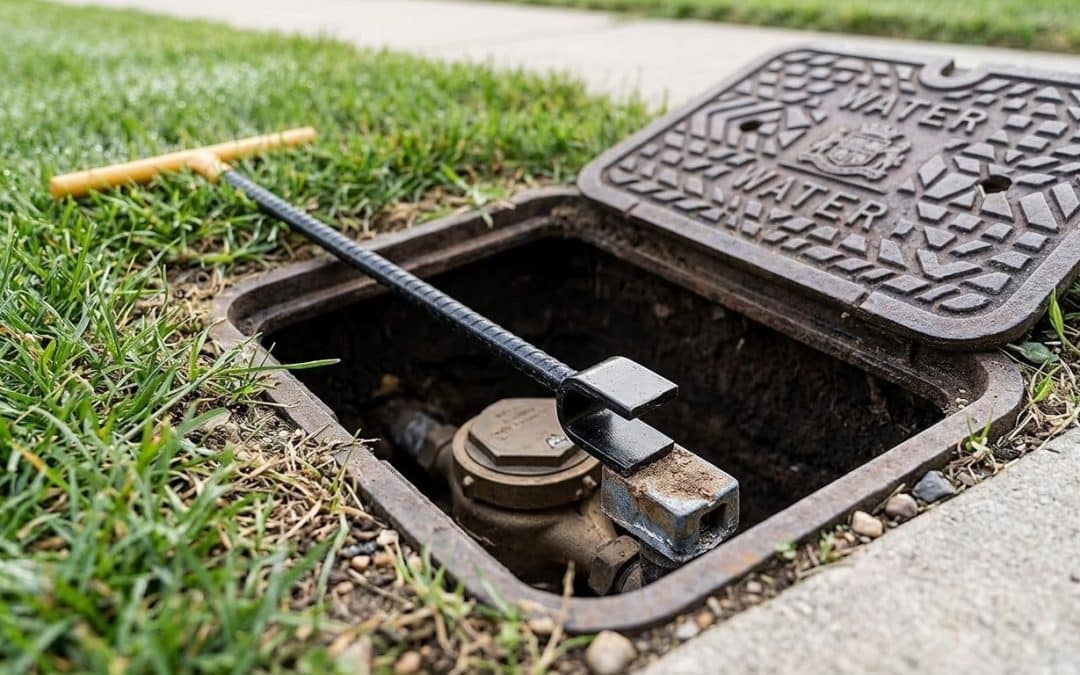
In most neighborhoods, the main water meter is located underground near the street, usually between the sidewalk and the curb. It’s often covered by a metal or plastic lid that may be labeled “Water Meter” or simply marked with a utility symbol.
If you’ve never looked for it before, now is a good time.
Don’t wait until water is pouring through your ceiling or flooding your kitchen floor. Take a few minutes on a calm day to locate the meter and make sure you can access it.
Some meter boxes become buried under grass, mulch, or landscaping over time. If that’s the case, clear the area so you can get to it quickly if needed.
Keep a Water Meter Wrench on Hand
Once you’ve located the meter, you’ll want to have the right tool available.
Most underground water meters require a water meter wrench, sometimes called a water shut-off key. These tools are inexpensive and available at most hardware stores.
Trying to use pliers, screwdrivers, or other makeshift tools usually doesn’t work very well and can make an already stressful situation even worse.
Keep the wrench somewhere easy to find. The garage, utility room, or a tool cabinet are all good options. Just make sure everyone in the household knows where it is.
How to Turn Off the Water
When a plumbing emergency happens, open the meter box and locate the shut-off valve.
Using the water meter wrench, slowly turn the valve until it is perpendicular to the water line. In most cases, this means turning it about one-quarter turn.
You shouldn’t have to force it. If the valve is difficult to move, stop and proceed carefully to avoid damaging it.
Once the valve is fully closed, water should stop flowing into the home.
Check the Meter to Make Sure the Water Is Off
Here’s a step many homeowners don’t know about.
Most water meters have a small triangle, star-shaped dial, or digital flow indicator that moves whenever water is flowing through the system. Even a tiny leak can cause it to spin.
After shutting off the valve, watch that indicator for a minute.
If the triangle or flow indicator stops moving completely, that’s a good sign the water has been shut off successfully.
If it continues spinning, the valve may not be fully closed or there could be another issue with the shut-off assembly.
Knowing how to verify the water is actually off can save valuable time during an emergency.
Why This Matters
Water damage happens fast.
A small pipe can release dozens of gallons of water every hour. Larger pipe failures can flood rooms in minutes. Floors, drywall, cabinets, furniture, and personal belongings can all be damaged before a plumber even arrives.
The homeowners who handle plumbing emergencies the best aren’t usually the ones with plumbing experience. They’re the ones who prepared ahead of time.
They know where the meter is. They have a water meter wrench nearby. And they know exactly how to shut the water off when something goes wrong.
A few minutes spent learning your home’s water shut-off system today could save you thousands of dollars in repairs later.
Need Help With a Plumbing Emergency?
Even after the water is shut off, it’s important to have the cause of the problem repaired as soon as possible. Whether you’re dealing with a burst pipe, leaking water line, water heater failure, or another plumbing issue, a licensed plumber can identify the source of the problem and get your home’s plumbing system back to normal.
If you’re not sure where your shut-off valve is located or have questions about your plumbing system, don’t wait for an emergency to find out. A professional plumber can help you locate and understand the critical components of your home’s water system before you need them.